03/27/26
By Rich Guida
Spring is a funny time for diesel engines. The calendar says winter is over, but your fuel system remembers everything that happened during those cold months. Fuel blends change, condensation forms, water collects, and components work harder than most drivers realize. By the time warmer weather rolls around, your truck, tractor, or equipment has quietly accumulated a few risks that are easy to miss.
A proper spring diesel tune-up isn’t complicated, but it does matter. A few small maintenance steps can prevent expensive failures and make sure your engine is ready for towing season, long workdays, and summer road trips. Let’s walk through what winter does to diesel fuel systems and how to prepare your engine for the warmer months ahead.
During winter, diesel fuel is typically blended to prevent gelling in cold temperatures. These winter blends help engines start and run in freezing conditions, but they often come with a tradeoff: reduced lubricity.
Lubricity is simply the fuel’s ability to lubricate the precision metal components inside your fuel system. Modern diesel engines rely on extremely tight tolerances inside high-pressure fuel pumps and injectors. Without adequate lubrication, these components experience increased wear.
One component that gets a lot of attention in modern diesel engines is the CP4 fuel pump. These pumps operate at extremely high pressures and rely on the diesel fuel itself to provide lubrication for the internal metal components. When lubricity drops, the risk of premature wear or catastrophic failure increases.
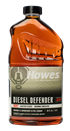
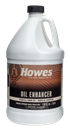
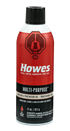
The CP4 pump was originally developed for European diesel fuel, which typically provides better natural lubricity than the ultra-low sulfur diesel (ULSD) commonly used in the United States. Because ULSD has reduced sulfur and fewer natural lubricating compounds, it can leave pumps like the CP4 operating with less lubrication than they were originally designed around. That’s one reason why maintaining proper fuel lubricity is so important for modern diesel engines. Using a lubricity additive like Howes Diesel Defender helps restore that protection, reducing wear on sensitive components like high-pressure fuel pumps and injectors.
Winter fuel blends, combined with months of cold starts and idling, can put extra strain on these parts. That’s why spring is the ideal time to restore proper lubrication and make sure everything in your fuel system is operating smoothly.
Cold weather creates another challenge for diesel engines: moisture buildup.
As temperatures fluctuate throughout winter, condensation naturally forms inside fuel tanks. Warm daytime temperatures followed by cold nights create the perfect environment for moisture accumulation. Water can also enter your tank through contaminated fuel in storage or fueling station tanks, biodiesel blends (which are hygroscopic and absorb moisture from the air), or something as simple as faulty fuel caps or worn seals.
Diesel engines are equipped with a fuel/water separator specifically to capture this moisture before it reaches critical components. However, the separator can only do its job if it’s properly maintained.
Spring is one of the most important times to drain your fuel/water separator.
If water remains in the system, it can cause a variety of issues including:
Even worse, early spring often still brings freezing overnight temperatures. If water trapped in your fuel system freezes, it can create fuel flow restrictions or ice crystals that cause serious problems.
Draining your separator removes this collected water and helps keep your fuel system clean and efficient.

Not all diesel additives treat water in the same way.
Some products emulsify water, meaning they break it into tiny droplets that stay suspended in the fuel and pass through the system. While this approach may keep water from settling, it can allow moisture to travel through pumps and injectors where it doesn’t belong.
Howes Diesel Defender uses a demulsifying approach.
Demulsification causes water to separate from the fuel and settle where it can be captured by your fuel/water separator. This allows you to physically remove the water from the system by draining the separator.
This is especially important during spring when condensation levels may still be elevated from winter weather.

Diesel fuel filters quietly do an enormous amount of work during winter.
Cold winter temperatures can also lead to the formation of tiny paraffin wax crystals naturally present in diesel fuel. Even with winterized fuel blends designed to prevent gelling, these small wax particulates can still develop during extreme cold and become trapped in your fuel filters. Over the course of the winter, filters may also collect extra contaminants and moisture from condensation. As this material builds up, it can begin restricting fuel flow and forcing the fuel system to work harder, which reduces efficiency and places additional strain on pumps and injectors.
Replacing your fuel filters in the spring offers several benefits:
Many diesel owners already perform oil changes in the spring. Pairing that service with fuel filter replacement is an excellent way to start the warmer months with a clean, healthy fuel system.
A short checklist can go a long way toward keeping your diesel engine reliable as the seasons change. These steps take minimal time but can prevent expensive repairs later.
Performing these checks ensures your engine is ready for heavier spring and summer workloads like towing, hauling equipment, or long highway drives.

Sometimes a standard maintenance routine isn’t enough. If your engine experienced a particularly harsh winter or you’re noticing performance issues, a more aggressive cleaning approach may help.
A double dose of Howes Diesel Defender can be used to thoroughly flush and clean the fuel system.
Many diesel owners use this approach during seasonal maintenance because the increased concentration helps clean injectors and restore system performance. In practice, this treatment can deliver cleaning results comparable to specialized flush products designed specifically for diesel fuel systems.
Running a cleaning treatment through a fresh set of fuel filters is often the most effective combination.
Once the system has been cleaned, returning to regular dosing at each fill-up helps maintain protection and lubrication.
Spring days may feel warm, but overnight temperatures can still dip below freezing across much of North America.
Any moisture present in diesel fuel systems can still freeze during these cold nights. Even small amounts of ice formation can restrict fuel flow and cause difficult starting or performance issues.
Using a fuel additive designed to manage moisture and improve fuel quality helps reduce this risk. Diesel Defender supports cleaner fuel flow while helping your separator capture and remove water before it can create problems.
This becomes particularly important if your vehicle sits outside overnight or operates in areas with large day-to-night temperature swings.
Spring is the transition point between winter survival and summer performance.
By the time warmer weather arrives, diesel engines have already endured months of cold starts, winter fuel blends, and temperature swings that introduce moisture into the system. Taking a little time now to refresh your fuel system can prevent headaches when you need your truck the most.
Whether you’re hauling trailers, heading out on long road trips, or putting equipment back to work for the season, a properly maintained fuel system keeps everything running smoothly.
Replacing fuel filters, draining your separator, and restoring lubricity with a trusted additive helps ensure your diesel engine is ready for whatever the road or jobsite throws at it.
Cold winter temperatures can cause small paraffin wax crystals to form in diesel fuel. Even with winter fuel blends, these tiny wax particles can accumulate in your fuel filters along with contaminants and moisture collected during months of cold starts and temperature swings. Replacing your fuel filters in the spring helps remove that buildup, restores proper fuel flow, and reduces strain on sensitive components like injectors and high-pressure fuel pumps.
Temperature swings create condensation inside fuel tanks. Over time this moisture enters the fuel system, which is why diesel engines use fuel/water separators to capture and remove it. A diesel fuel additive that demulsifies, not emulsifies, the water in your fuel is key to ensuring that your fuel/water separator can do its job effectively.
You should drain your fuel/water separator at every oil change interval, or immediately if the “Water in Fuel” dashboard light turns on. Spring is an especially important time to remove water accumulated during winter months.
Demulsification separates water from diesel fuel, allowing it to fall out of suspension so it can be captured by the vehicle’s fuel/water separator and drained from the system. In other words, it helps the truck’s built-in filtration system remove water completely.
Emulsification does the opposite. It breaks water into tiny droplets that stay suspended in the fuel and pass through the system during combustion. While this may prevent water from settling in the tank, it also means that moisture can travel through sensitive components like injectors and high-pressure fuel pumps.
That approach can create serious problems. When water stays mixed in the fuel, it can pass through the high-pressure fuel pump, injectors, and combustion chamber. Water provides no lubrication and can promote rust, corrosion, and accelerated wear inside sensitive fuel system parts. In modern diesel engines with extremely tight tolerances, pushing water through the system instead of removing it can increase the risk of injector damage, pump wear, and other costly fuel system issues. Demulsification avoids this by separating the water so it can be captured and removed from the system entirely.
Yes. A higher-concentration treatment of Diesel Defender can help clean injectors and fuel system components. Many owners use a double dose during seasonal maintenance to flush contaminants and restore performance.