12/23/25
Diesel Lifeline, Diesel Fuel, Gelling
By Rich Guida
When diesel fuel gels, wax crystals clog the filter and starve the engine of fuel. You get long cranks, stumbling, or a hard no-start. In cold snaps, this is common, and it’s fixable on the roadside if you have the right rescue additive and a simple plan.
This guide shows you exactly how to reliquefy gelled fuel using Howes Diesel Lifeline and get rolling again, with specific steps for modern pickups and for semis. Then we’ll cover how to prevent the problem next time with Howes Diesel Treat.
Common signs include:
These are classic gelling behaviors caused by paraffin wax crystallizing as the temperature drops.
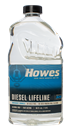
Howes Diesel Lifeline is made to reliquefy gelled diesel and de-ice frozen fuel filters. You can pour it directly into the fuel filter and into the tank. It does not require premixing with diesel and does not require a filter change to work. It works quickly, often in just 15 minutes, even in severe temperatures down to -35°F and below. That’s perfect when you are stranded and need a quick restart.
Goal: Get Diesel Lifeline into the fuel filter first so the engine immediately receives reliquefied fuel, then treat the tank so the issue doesn’t return.
1. Make it safe
Put the truck in park, set the brake, and shut off accessories. Pop the hood. Gloves and eye protection are a good idea when working with cold, gelled fuel.
2. Locate and remove the fuel filter
Modern Powerstroke, Duramax, and Cummins trucks use accessible canister or spin-on filters. Some trucks (especially Fords and GMs) have two fuel filters, and both need to be removed and treated.
Follow the service manual for the exact procedure. If you’re unsure, a quick online search for your exact year/make/model fuel filter change can help guide you.
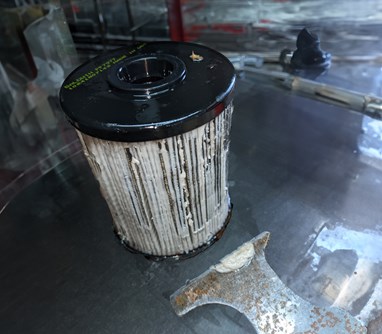
3. Remove any visible wax buildup from the fuel filter
If you see wax buildup in the fuel filter, remove the filter and knock out as much wax as possible before reinstalling it. Tapping the filter gently against a hard surface can help dislodge wax crystals and restore fuel flow. The goal is to clear any restriction so treated fuel can circulate through the system.
4. Fill the fuel filter with Diesel Lifeline
Fill the filter completely with Diesel Lifeline, then reinstall it exactly as the manual specifies. This gets treated fuel to the engine immediately on restart.
5. Dose the fuel tank
Pour additional Diesel Lifeline into the fuel tank. This starts breaking down wax in the tank, lines, and pickup so the issue doesn’t come back once you’re driving.
6. Key-cycle to prime the system
Turn the key to the “ON” position without cranking. Cycle it several times to run the lift pump and push Diesel Lifeline through the system.
For push-button trucks, use the accessory/ignition-on method in the owner’s manual.
7. Wait
Give it 10-15 minutes. Diesel Lifeline needs a little time to reliquefy the gelled fuel in the filter, lines, and pump.
8. Start the truck and bleed the fuel system if necessary
Crank the engine. Many modern pickups will self-prime and fire up after a few crank to start events. Let it idle 10-15 minutes so warm return fuel and Diesel Lifeline clear out any remaining gel.
If it cranks but won’t start, or starts and immediately dies, your truck may need to be bled:
Follow the service manual for the correct bleeding procedure for your exact truck.
9. Let it idle until smooth
Once it starts, let it idle for 10-15 minutes. If it stumbles at first, keep idling to allow warm return fuel to finish clearing out the system.
If it still won’t run
Important: Do not use starting fluid on modern glow-plug or intake-heater diesels. Manufacturer guidance warns against it due to the risk of damage.
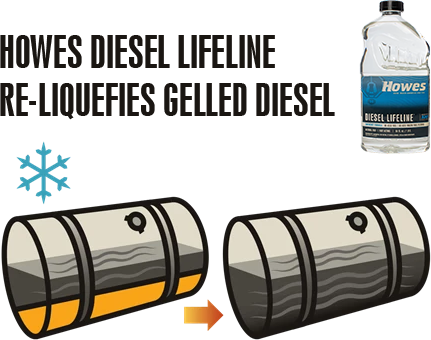
Goal: Treat the fuel filters feeding the high-flow system first, then treat the saddle tanks so gel does not reform once you are back on the road. Semis move huge amounts of fuel through long, cold lines, so getting Diesel Lifeline into the filters is the fastest way to get running again.
1. Secure the truck
Chock the wheels, set the parking brakes, shut down accessories, and pop the hood. Safety comes first any time you are handling gelled fuel.
1. Identify the fuel filters
Most Class 8 trucks use two filters:
Follow the manufacturer’s procedure to remove them safely. If you have a Davco-style clear housing, look for low fuel level or wax buildup on the media.
3. Remove any visible wax in the fuel filters
If you see wax buildup in the fuel filter, remove the filter and knock out as much wax as possible before reinstalling it. Tapping the filter gently against a hard surface can help dislodge wax crystals and restore fuel flow. The goal is to clear any restriction so treated fuel can circulate through the system.
4. Fill each filter with Diesel Lifeline
Fill each removed filter completely with Diesel Lifeline, then reinstall per the manual. This ensures the high-pressure system receives treated fuel immediately when you restart.
5. Dose both saddle tanks
Add Diesel Lifeline to each tank based on total fuel volume. Treating both tanks prevents gel from reforming when colder fuel is pulled across the crossover.
6. Prime the system
How you prime depends on the engine:
Priming pushes Diesel Lifeline from the filters into the lines and rail before you crank the engine.
7. Wait
Allow at least 15 minutes for Diesel Lifeline to break down wax crystals and reliquefy gelled diesel in the filters, lines, and pump. Long cold fuel runs on semis make this step important.
8. Start and idle
Start the engine and let it idle for 15 to 20 minutes. Warm return fuel and Diesel Lifeline will continue dissolving wax and clearing iced filter media. If the engine stumbles or surges, let it keep idling until it smooths out.
Tip: If you can, park in a wind-sheltered spot while idling. Any warmth you gain in the engine bay helps speed recovery. Warming the engine helps, but remember block heaters do not warm the fuel in your tank or the long runs of fuel line on a semi. You still need a rescue additive to reliquefy gelled diesel.
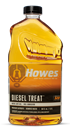
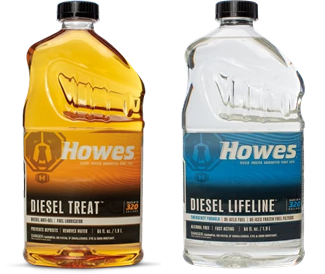
Winter diesel blends reduce gelling risk, but they vary by region and station. They also tend to be “dry,” which is hard on modern injectors. A regular anti-gel diesel additive with lubricity additives, water removal, and injector cleaning detergents keeps you out of trouble. Howes Diesel Treat adds anti-gel protection, restores lubricity, demulsifies water, and helps keep injectors clean. Untreated diesel can be at risk even around 32°F, and station quality is inconsistent, so consistent diesel treatment removes the guesswork.
How do I ungel diesel fast at home or on the roadside?
Use a dedicated rescue additive like Howes Diesel Lifeline. Fill the fuel filter with Diesel Lifeline and then treat the tank, then prime and idle to circulate.
Can I just use a block heater to fix gelled fuel?
Block heaters help cold starts, but they do not warm fuel in the tank or long fuel lines. You still need a rescue additive to reliquefy gel.
Do I have to change the filter to recover from gelling?
Diesel Lifeline is designed so you do not have to change the filter to get on the road again. However, we recommend changing the fuel filter as soon as you are safely able to do so.
Is starting fluid safe on modern diesels?
Vehicle manufacturers warn against starting fluid on glow-plug or intake-heater engines due to damage risk.
Why did my truck gel even with winter-blend diesel in the tank?
Blends vary by station and region, and water icing can stop flow before wax is fully gelled. Regular anti-gel treatment with Howes Diesel Treat adds the missing protection.