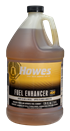
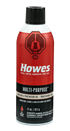
Seeing a P0087 code in cold weather? Learn how gelled diesel fuel causes low rail pressure and how to fix gelled diesel fuel fast with the right diesel de-icer.
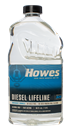
When diesel fuel gels, wax crystals clog the filter and starve the engine of fuel. You get long cranks, stumbling, or a hard no-start. In cold snaps, this is common, and it’s fixable on the roadside if you have the right rescue additive and a simple plan. This guide shows you exactly how to reliquefy gelled fuel using Howes Diesel Lifeline and get rolling again, with specific steps for modern pickups and for semis.
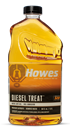
Winter diesel sounds like a promise. The label on the pump says “treated” or “winter blend,” and most drivers take that to mean they’re protected. But the reality is messier. Winter fuel varies from pump to pump, state to state, and week to week. Some blends are strong. Some are weak. Some never make the switch until after the first cold snap. When temperatures fall, guessing becomes an expensive habit. That’s why so many diesel owners layer in a dedicated winter additive. It isn’t paranoia. It’s preparation. We break down what winter fuel actually is, how it behaves, and why adding a winter diesel additive like Howes Diesel Treat is the simplest way to remove risk from the equation.
Learn what diesel gelling is, why it happens, and how to stop it. Discover prevention tips, cold weather fuel terms, and winter diesel additive solutions.
Gasoline and kerosene damage modern diesel engines. Learn why these myths persist and how proven additives safely keep fuel flowing in winter
Diesel pickup trucks are workhorses built for power, towing, and durability. However, they also have a well-known Achilles' heel - cold weather.
Prepare your truck for winter with our diesel winterization checklist. This checklist will help you keep your truck at peak performance, even in cold weather.
Start prepping for what lies ahead!
Be alert. Be aware. Most of all, be prepared.
Howes is embarking on its first-ever Howes Diesel Lifeline Tour, stopping at 14 truck stops in three states.
Temperatures are changing. How do you keep your diesel vehicle moving even when others are frozen in place?