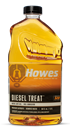
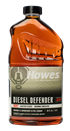
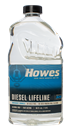
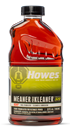
Cetane is one characteristic of diesel fuel. Raising it may be useful when fuel has relatively poor ignition quality or when an engine is experiencing problems related to ignition delay. But continually chasing a higher cetane number doesn’t necessarily mean better overall diesel performance.
-read more-
We were honored to announce Billy Stone as our inductee this Spring into the Howes Hall of Fame. Check out this great article published by The Trucker to learn even more about the man behind the wheel!
Love it or hate it, snow is a regular occurrence during winter throughout the northern U.S. While some people may associate snowfall with the drudgery that accompanies it, from shoveling the driveway to scraping off the car, others opt for a more positive perspective. These people have learned to embrace winter by appreciating its natural beauty and participating in activities that accompany fresh snow, such as skiing and sledding. Whether you’re praying for a white winter or trying to avoid the fluffy stuff, these are the 10 states that receive the most snowfall annually.